Read the shoreline
Ask about water depth, cove exposure, shoreline stabilization, erosion, and seasonal conditions.

Peters services
Lake Wylie homes invite a different kind of diligence: the view is only the beginning of the story.
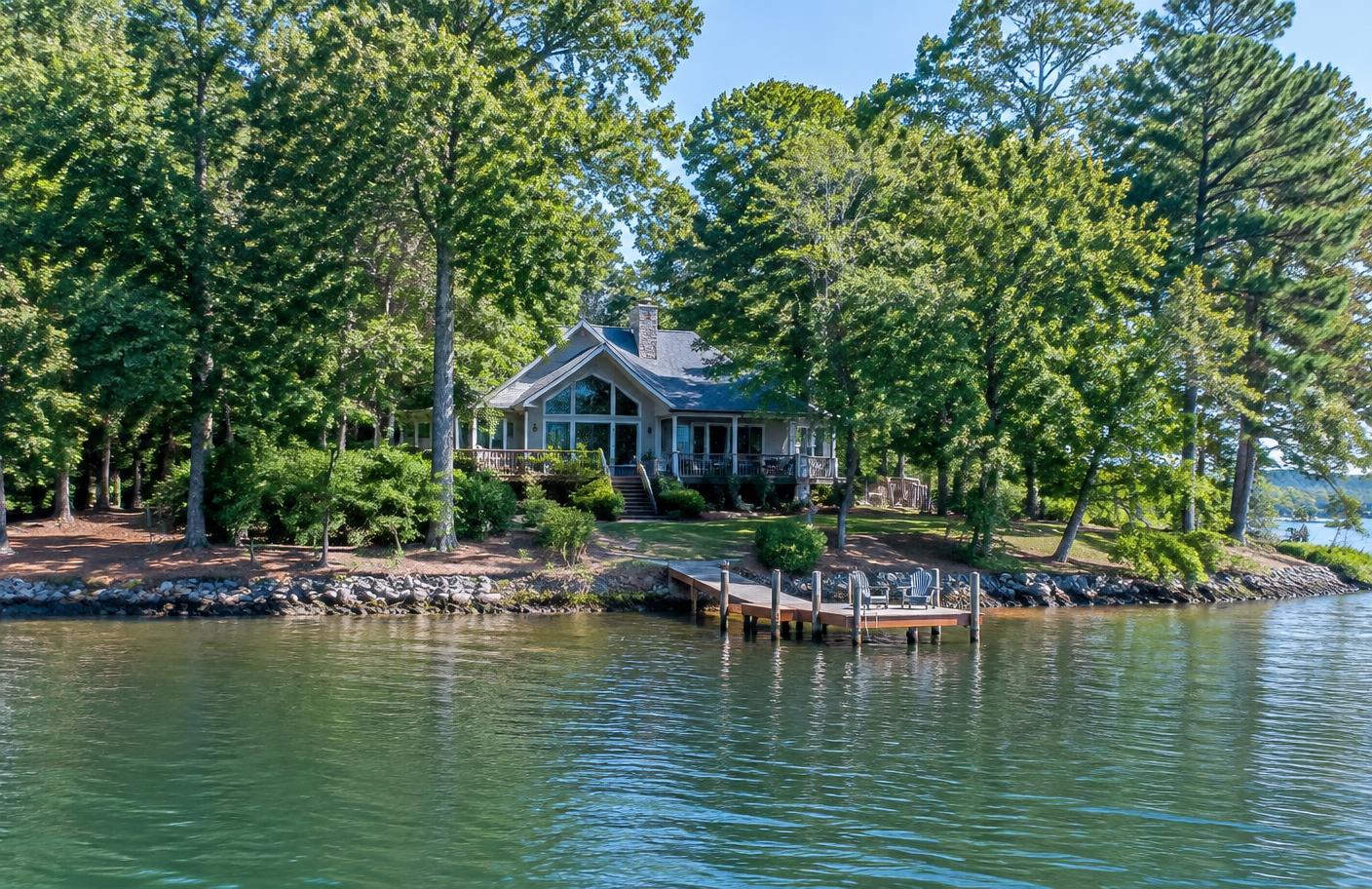
Ask about water depth, cove exposure, shoreline stabilization, erosion, and seasonal conditions.
A water view does not necessarily mean a private dock or guaranteed boating access. Confirm recorded rights and current permitting.
Sun orientation, tree cover, grading, drainage, and outdoor maintenance shape year-round enjoyment.
Main-channel frontage offers big views and more boat traffic; cove frontage tends to be calmer and more sheltered. Depth, orientation and slope differ widely even between neighbors.
Docks and shoreline changes are governed by Duke Energy guidelines, plus city and HOA rules. Confirm permits for existing structures and eligibility for any new ones before buying.
Waterfront ownership includes maintaining the dock, shoreline and slopes. Budget for inspections and periodic repairs as a normal part of ownership.
Two waterfront homes a few doors apart can live very differently. Cove position, exposure to open water, slope to the shoreline and the condition of any existing structures all change daily use.
Visit at different times: a calm morning cove can feel busier on a summer afternoon, and a gentle-looking slope can be demanding with groceries or a boat bag.
Ask for the permit history of any dock, lift or shoreline work, and confirm what could be added or changed in the future. A survey and a specialist inspection are worth more on the water than almost anywhere else.
Bring together the survey, deed, recorded easements, dock and shoreline approvals, association documents, flood information and inspection reports. Each answers a different question; none substitutes for the others.
Ask a qualified professional to distinguish structures that exist from improvements that are authorized and transferable. If a seller describes a future dock, beach or addition, verify feasibility with the responsible authority before assuming it is part of the property's potential.